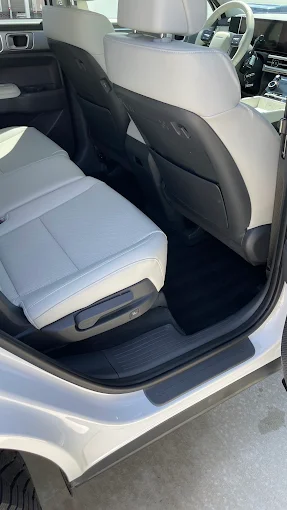
5 Powerful Interior Car Cleaning Hacks
Keeping your car’s interior clean can be a daunting task, but with the right techniques, it doesn’t have to be. Whether you’re preparing for a special occasion, looking to maintain your vehicle’s value, or simply want a fresh and inviting space, these. 5 powerful interior car cleaning hacks Will help you achieve professional-level results quickly and efficiently.
From tackling stubborn stains to eliminating unpleasant odors, these tips use common household items and smart strategies to save you time and effort. Get ready to transform your car’s interior with. easy, fast, and effective cleaning methods That work every time.
Hack 1: Quick Vacuuming Techniques
Keeping your home clean doesn’t have to be a time-consuming chore if you utilize quick vacuuming techniques effectively. One of the best ways to speed up your cleaning routine is by using. handheld and portable vacuums . These compact and lightweight devices are designed for convenience and rapid use, making them ideal for everyday messes that don’t require pulling out a bulky upright vacuum. Whether you’re dealing with crumbs on countertops, pet hair on furniture, or dirt in hard-to-reach places, handheld vacuums can help you clean up swiftly and efficiently.
Attachments for Different Surfaces
Handheld vacuums come with a variety of attachments tailored to different surfaces and cleaning needs:.
- Crevice tools: Perfect for accessing narrow gaps and tight spaces such as between couch cushions, along baseboards, and inside car interiors.
- Brush attachments: Help agitate dust and debris on upholstery or delicate surfaces, ensuring a thorough yet gentle clean.
Using these attachments not only improves your vacuum’s effectiveness but also saves time by targeting trouble spots precisely.
Benefits of Cordless Operation
In addition to handheld vacuums, many portable vacuum models offer. cordless operation , which enhances speed and maneuverability:.
- No cords to restrict movement.
- Easy to move from room to room.
- Convenient for cleaning car interiors.
When selecting a portable vacuum, consider models with:.
| Feature | Importance |
|---|---|
| Strong suction | Handles bigger jobs efficiently |
| Longer battery | Reduces interruptions |
Strategic Cleaning Approach
Efficiency also comes from adopting a strategic cleaning approach:.
- Focus on high-traffic areas and places that accumulate the most dirt.
- Start from one corner and methodically work your way across the room.
- Avoid missing spots or covering the same areas repeatedly.
Quick vacuuming is about being deliberate and focused to maximize results in the least amount of time.
Regular Maintenance Tips
To keep your handheld or portable vacuum performing optimally:.
- Empty the dustbin frequently to prevent clogs.
- Clean or replace filters as recommended.
- Check brush rolls for tangled hair or debris.
A well-maintained vacuum makes your quick cleaning sessions even faster.
Incorporating these quick vacuuming techniques into your daily or weekly cleaning routine can significantly reduce the time and effort needed to maintain a spotless home. By leveraging the portability, attachments, and cordless convenience of handheld vacuums, you can easily tackle messes as they occur, preventing buildup and making deep cleaning days less overwhelming. Embrace these tips, and you’ll find quick vacuuming a convenient and highly effective way to keep your living space fresh and dust-free.
Hack 2: Effective Use of Microfiber Cloths
Microfiber cloths are an essential tool for maintaining the cleanliness and appearance of your car’s interior and windows. Their unique construction, made up of extremely fine synthetic fibers, allows them to trap and lift dust, dirt, and oils more effectively than traditional cloths. This makes them especially useful for removing dust and fingerprints from delicate surfaces such as dashboards and panels without causing any scratches or damage.
Why Use Microfiber Cloths?
- Attract and hold tiny particles: Instead of just pushing dust around, microfiber cloths trap it.
- Gentle on surfaces: Safe for plastic, vinyl, leather, and wood trim.
- Lint-free and streak-free: Ideal for glass cleaning.
- Reusable and durable: Eco-friendly compared to disposable options.
Tips for Cleaning Interior Surfaces
- Use a dry microfiber cloth to regularly dust off dashboards and panels.
- For stubborn fingerprints or grime, slightly dampen the cloth with water or a mild interior cleaner.
- Avoid harsh chemicals that can degrade materials over time.
Window and Mirror Cleaning Technique
- Spray a quality glass cleaner onto the surface or directly onto a microfiber cloth.
- Wipe in a circular motion to loosen dirt and grime.
- Follow up with a dry microfiber cloth to buff the glass.
This method helps achieve a crystal-clear shine without any streaks or smudges, improving visibility and your car’s appearance.
Care and Maintenance of Microfiber Cloths
| Do’s | Don’ts |
|---|---|
| Wash regularly with gentle detergent | Use fabric softeners (clogs fibers) |
| Air dry or tumble dry on low heat | Use bleach or harsh chemicals |
In conclusion, Mastering the use of microfiber cloths can elevate your car cleaning routine, protecting your vehicle’s surfaces and enhancing its overall look. Keep several cloths on hand, designated for different tasks, to maintain a spotless, streak-free interior and exterior.
Hack 3: DIY Upholstery Cleaning Solutions
Maintaining a clean and fresh car interior doesn’t have to mean spending a fortune on commercial cleaning products. With a few simple ingredients from your kitchen or pantry, you can create effective and safe DIY upholstery cleaning solutions that work wonders on both fabric and leather surfaces. These homemade remedies are not only. budget-friendly But also. free from harsh chemicals , making them a great choice for regular upkeep.
Homemade Sprays for Fabric Seats and Floor Mats
Fabric seats and floor mats are prone to accumulating dirt, stains, and unpleasant odors over time. A reliable and easy-to-make cleaning spray can tackle these issues using natural ingredients. One of the most popular recipes involves mixing:.
- Equal parts white vinegar and water
- A few drops of mild dish soap
Mix these in a spray bottle. Vinegar Is a natural deodorizer and helps to break down grime, while the dish soap gently lifts stains without damaging the fabric.
Usage instructions: 1. Lightly mist the solution over the fabric surface. 2. Allow it to sit for about 5–10 minutes to penetrate and loosen dirt. 3. Blot the area with a clean microfiber cloth or sponge.
For more stubborn stains: – Sprinkle baking soda on the affected spot first (acts as a mild abrasive and odor absorber). – Spray the vinegar solution over the baking soda. – Gently scrub with a soft brush. – Wipe clean with a damp cloth. – Repeat if necessary.
Tip: Always test the spray on a small, inconspicuous area first to ensure colorfastness.
Regular use not only cleans but refreshes your car’s fabric interior, removing lingering smells and preventing buildup.
Safe Cleaning Methods for Leather Interiors
Leather interiors require delicate care to avoid drying, cracking, or discoloration. Harsh chemicals and excessive moisture can damage leather over time, so use gentle, nourishing solutions.
A simple and effective DIY leather cleaner can be created by mixing:.
| Ingredient | Ratio | Purpose |
|---|---|---|
| White vinegar | 1 part | Cleans and disinfects |
| Natural oil | 2 parts (linseed, olive, or coconut oil) | Moisturizes and conditions |
Application steps: 1. Apply a small amount of the mixture onto a soft, lint-free cloth. 2. Gently rub into the leather using circular motions, focusing on dull or worn areas. 3. Let the leather absorb the oils for about 20 minutes. 4. Buff with a clean cloth to remove excess and restore shine.
Avoid: – Soaking leather with water – Commercial cleaners containing alcohol or ammonia (can strip natural oils).
For routine maintenance: – Wipe leather seats with a dry microfiber cloth regularly. – Apply the DIY oil and vinegar mixture every few months to maintain appearance and longevity.
By incorporating these DIY upholstery cleaning hacks into your car care routine, you can enjoy a. spotless, fresh-smelling interior Without expensive products or harsh chemicals. These solutions protect your vehicle’s interior materials and offer a safer, eco-friendly way to keep your car looking like new.
Hack 4: Using Compressed Air for Dust Removal
Compressed air is a powerful and efficient way to clean dust and debris from vents and other hard-to-reach areas in your electronic devices. Dust buildup inside vents, fans, and other small crevices can lead to overheating, reduced performance, and even hardware failure over time. By using compressed air, you can effectively blow out dust particles that are difficult to remove with traditional cleaning methods such as wiping or brushing.
Benefits of Using Compressed Air:.
- Reaches tight spaces without disassembly
- Removes dust from keyboards, fan blades, ventilation grills, and ports
- Prevents restricted airflow and device overheating
- Helps prolong device lifespan
Tips for Using Compressed Air Safely and Effectively:.
- Hold the can upright
- Spray in short bursts to avoid moisture buildup
- Power off and unplug the device before cleaning
- Blow air from different angles to thoroughly remove dust
Recommended Cleaning Process:.
- Use a soft brush to gently loosen larger dust particles
- Apply compressed air to blow out loosened dust
- Wipe accessible surfaces with a microfiber cloth to catch remaining dust
Microfiber cloths are ideal as they trap fine particles without scratching delicate surfaces.
For Devices with Dense Dust Buildup:.
- Consider opening the casing if comfortable
- Focus on cleaning internal components such as:
- Cooling fans
- Heat sinks
- Power supplies
| Cleaning Step | Purpose |
|---|---|
| Soft Brush | Loosen larger dust particles |
| Compressed Air | Blow out dust from hard-to-reach areas |
| Microfiber Cloth | Wipe down surfaces and trap fine dust |
Summary:.
Compressed air is an essential tool to maintain electronic devices by efficiently removing dust from hard-to-clean areas. When combined with brushes and microfiber cloths, it ensures a thorough cleaning process that protects your devices from dust-related damage and significantly extends their lifespan.
Hack 5: Quick and Natural Deodorizing Tips
Keeping your car smelling fresh and inviting can often feel like a challenge, especially when you’re trying to avoid harsh chemicals or synthetic fragrances. Fortunately, there are several effective, natural deodorizing methods that not only refresh your car’s interior but also promote a healthier environment for you and your passengers.
Using Natural Odor Absorbers to Freshen Your Car
Natural odor absorbers are a fantastic way to eliminate unpleasant smells without introducing artificial scents. Here are some popular options:.
- Baking Soda : Sprinkle generously onto carpets, floor mats, or fabric seats. Let it sit for several hours (ideally overnight) to absorb odors, then vacuum thoroughly. It neutralizes acidic and basic odor molecules.
- Activated Charcoal : Available in small pouches or bags to place under seats or in cup holders. It traps odor-causing particles, moisture, and toxins for continuous odor control, eliminating smells at the source.
- Dried Herbs : Sachets filled with lavender or rosemary not only absorb odors but also add a subtle, pleasant aroma without being overpowering.
Fast Ways to Eliminate Unpleasant Smells
If you need a quick fix, try these natural solutions:.
- Coffee Beans : Place a small container inside the car to mask strong odors with a rich, comforting scent. Coffee beans also help absorb some unwanted smells.
- Essential Oils : Add a few drops of eucalyptus, peppermint, or lemon oil to a cotton ball or wooden bead for an uplifting fragrance. Use sparingly to avoid overwhelming scents while driving.
- Vinegar Wipe Down : Mix equal parts water and white vinegar to wipe down hard surfaces like the dashboard, door panels, and cup holders. Vinegar neutralizes odors and its smell dissipates as it dries.
- Ventilation : Open windows or doors for 10-15 minutes to allow fresh air to circulate and flush out stale odors.
Summary Table: Natural Deodorizing Methods
| Method | How to Use | Benefits |
|---|---|---|
| Baking Soda | Sprinkle and vacuum after several hours | Neutralizes odors effectively and cheaply |
| Activated Charcoal | Place pouches under seats or cup holders | Traps odors and toxins continuously |
| Dried Herbs | Place sachets with lavender or rosemary | Absorbs odors and adds subtle aroma |
| Coffee Beans | Put a small container inside the car | Masks odors and absorbs some smells |
| Essential Oils | Apply drops on cotton ball or bead | Provides quick, natural fragrance |
| Vinegar Wipe Down | Clean hard surfaces with water-vinegar mix | Neutralizes odors without masking |
| Ventilation | Open windows/doors for 10-15 minutes | Flushes out stale air naturally |
By combining these natural deodorizing tips, you can maintain a fresh and inviting car interior without relying on synthetic sprays or expensive products. Not only do these methods work quickly, but they also promote a healthier driving experience for you and everyone who rides along.
Conclusion
Keeping your car’s interior clean doesn’t have to be a time-consuming or frustrating task. By using these. 5 powerful interior car cleaning hacks , you can quickly and effectively refresh your vehicle’s look and feel. From clever. DIY solutions To simple tools that make a big difference, these tips help you maintain a spotless and comfortable environment on the go. Give them a try and enjoy the benefits of a cleaner, more inviting ride every time you hit the road.